Reachy 2
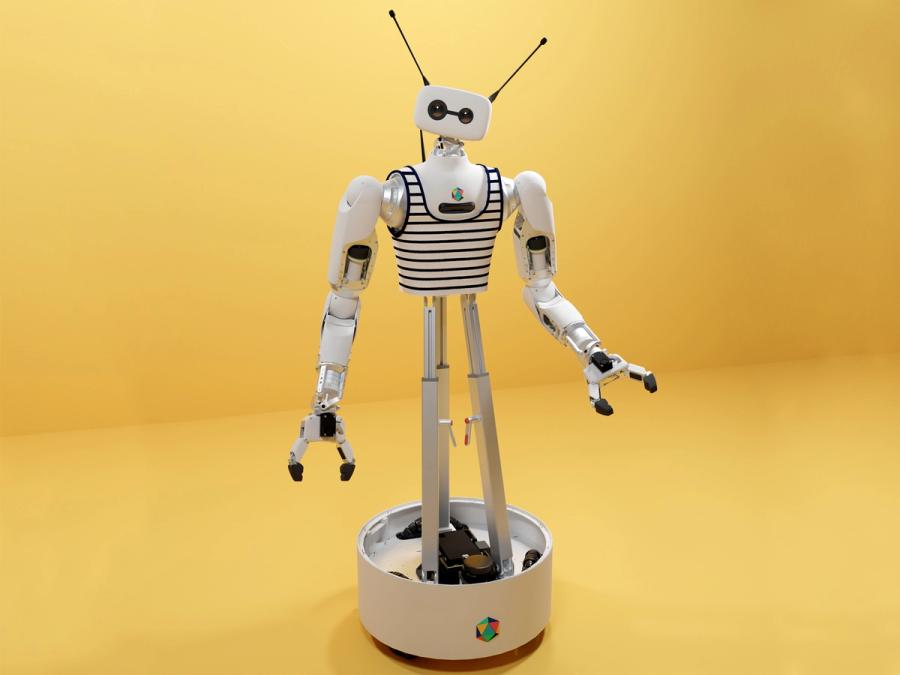
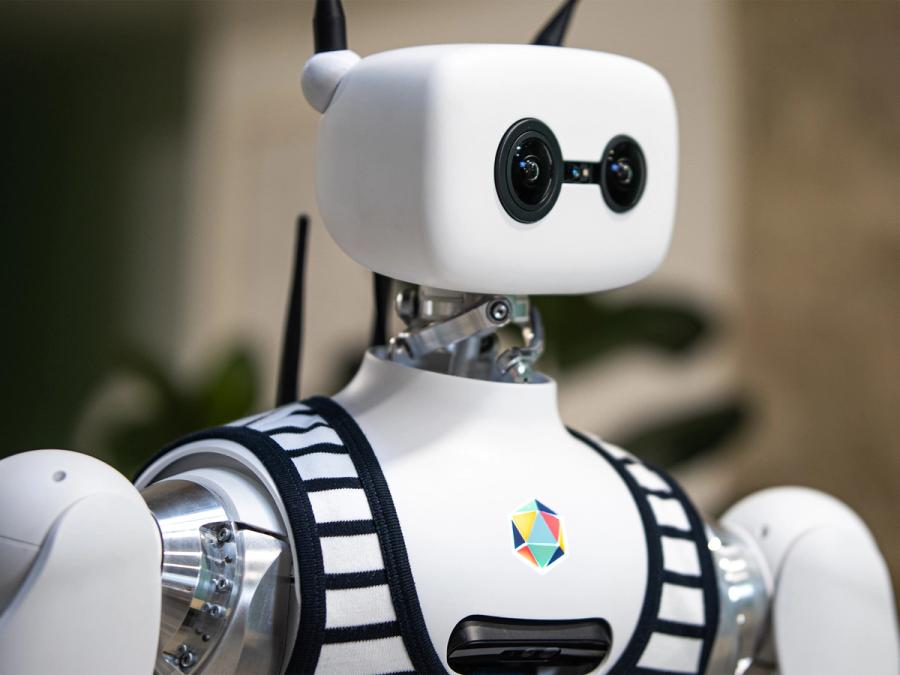
Reachy 2 is a fully open-source humanoid robot purpose-built for embodied AI, robotics research, and real-world applications. It features expressive head and arm movements that enable natural human-robot interaction, along with a new manipulator arm and gripper for performing physical tasks.
- Creator
(AI company Hugging Face acquired Pollen Robotics in April 2025.)
- Year
- 2024
- Country
- France 🇫🇷
- Categories
- Features
Did you know?
When Reachy 2 boots up, it slowly moves and stretches its arms. Mornings are hard—even for robots!
History
Pollen Robotics was founded in 2016 by Matthieu Lapeyre and Pierre Rouanet, who were former roboticists at the French research center Inria. Headquartered in Bordeaux, France, Pollen aims to make AI and robots accessible and useful in the real world.
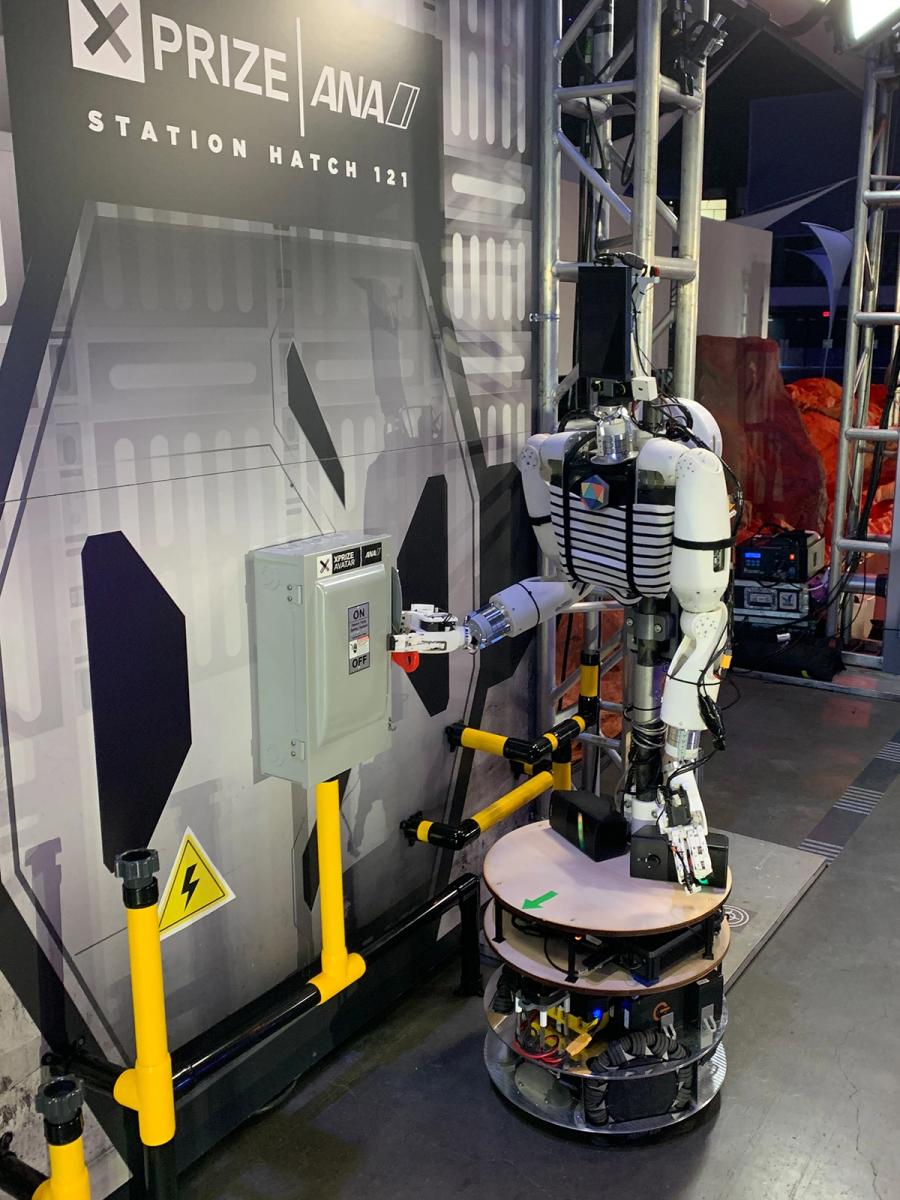
One of their first creations was Poppy, one of the first 3D printed open source humanoid robot. A more recent creation, Reachy, won second place at the ANA XPrize, an international robotic teleoperation competition where robots had to navigate and perform tasks in a simulated Mars environment. Reachy completed tasks such as weighing supply bottles, unscrewing a hatch with an electric drill, and retrieving the roughest space rock from a selection.
In 2024, Pollen introduced Reachy 2, a fully open-source humanoid robot designed for embodied AI research, human-robot interaction, and real-world applications. In April 2025, Pollen was acquired by Hugging Face, the AI company, which announced plans to open-source both the hardware and software of its robots—bringing embodied AI into the hands of a broader developer and research community.
As part of that plan, Pollen and Hugging Face also launched Reachy Mini, an expressive and compact desktop robot designed for creative coding, AI experimentation, and human-robot interaction. Reachy Mini, which starts at US $299, is programmable in Python, JavaScript, and Scratch, and is aimed at lowering the barrier to entry for students, developers, and hobbyists exploring robotics and AI.
Previous Versions
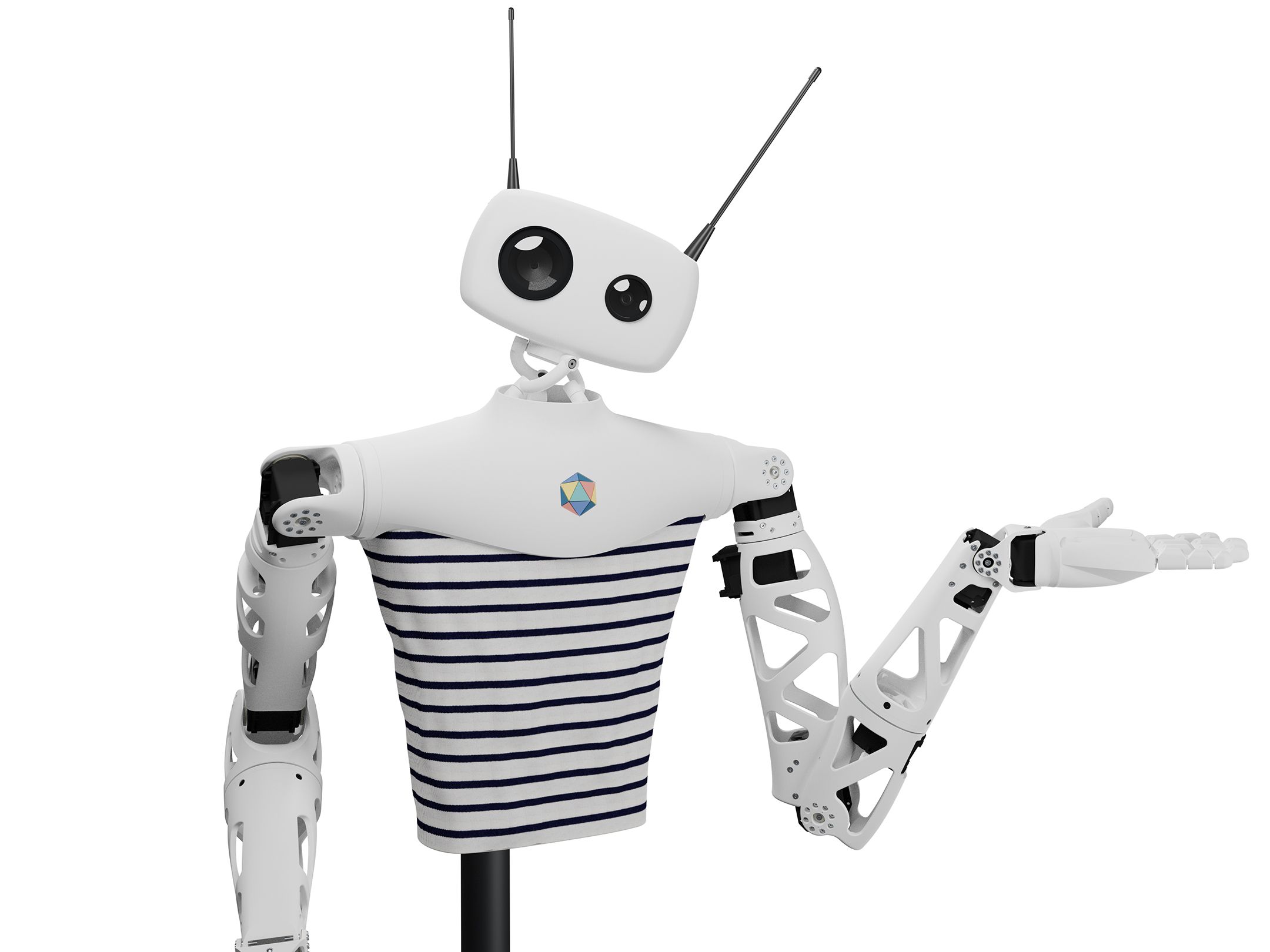
Reachy
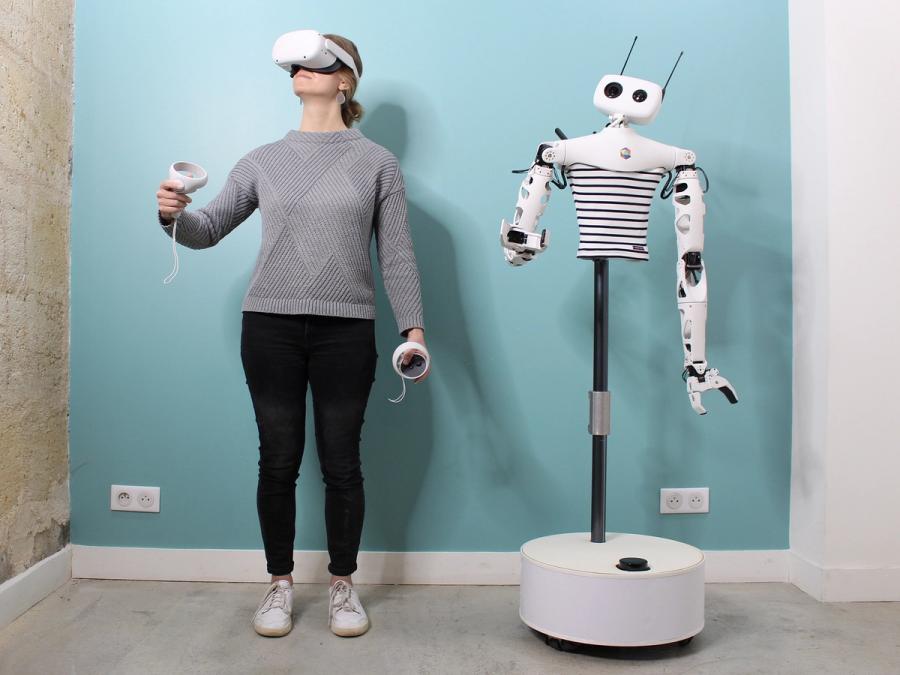
Released in 2020, the original Reachy was an open-source humanoid robot designed for teleoperation and human-robot interaction, and later earned second place in the ANA Avatar XPrize.
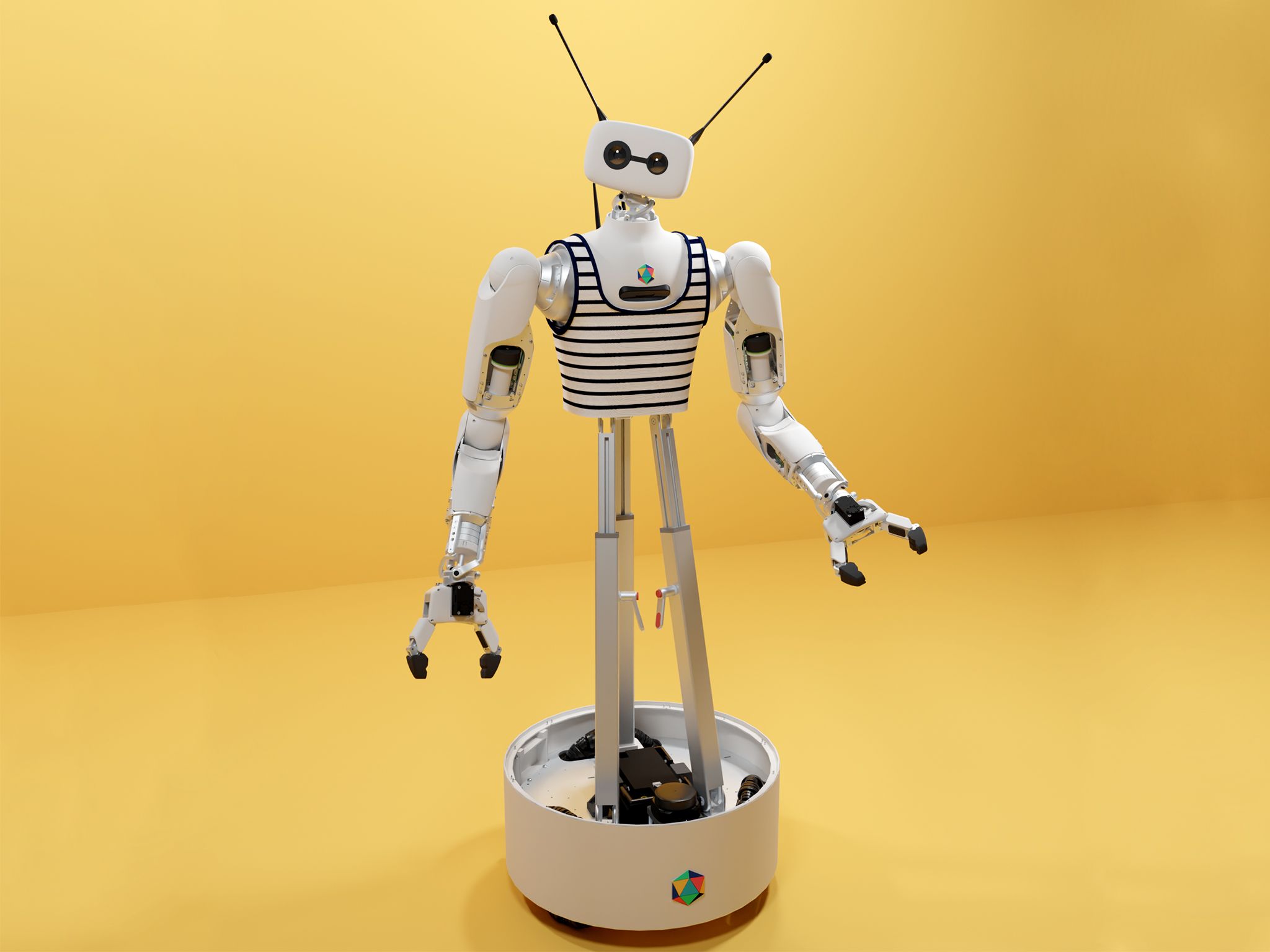
Reachy 2
Reachy 2, unveiled in 2024, is a fully open-source humanoid robot built for embodied AI research, human-robot interaction, and real-world applications such as teleoperation and assistive tasks.
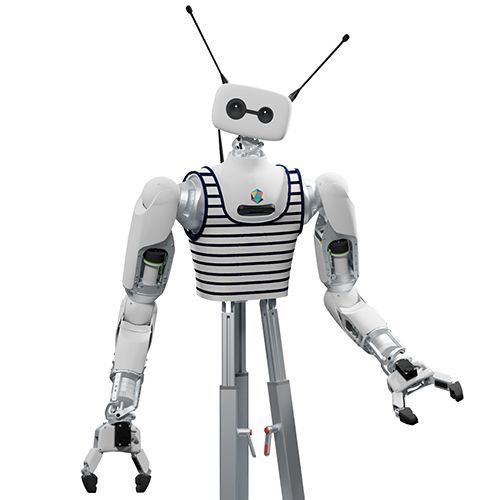 Reachy 2→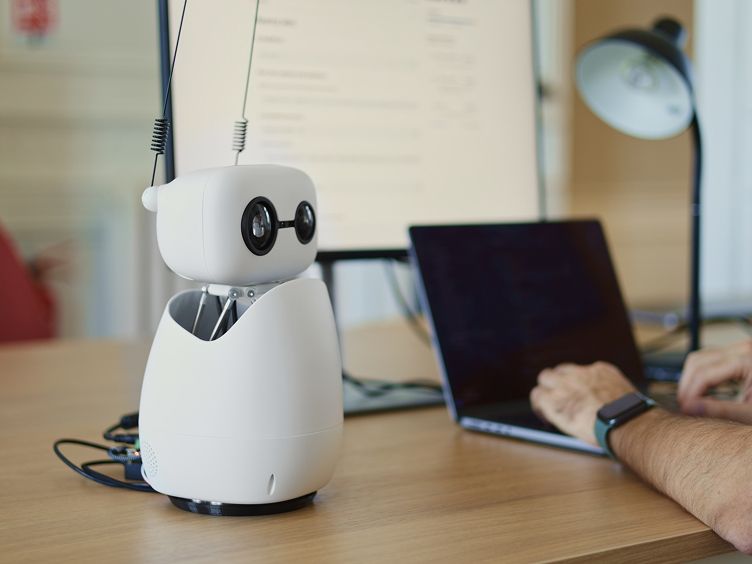
Reachy Mini
Released in 2025 following Pollen's acquisition by Hugging Face, Reachy Mini is a compact, programmable desktop robot designed to make robotics and AI experimentation more accessible to students, developers, and educators.
Specs
- Overview
Fully open source. Able to handle 3-kilogram payloads. Robust teleoperation capabilities, plus advanced data collection for next-gen frontier AI models.
- Status
Ongoing
- Year
2024
- Website
- Width
- 60 cm
- Height
- 166 cm
- Length
- 75 cm
- Weight
- 50 kg
- Speed
- 3 km/h
- Sensors
RGB cameras for vision: Two IMX296 global shutter cameras. RGB-D camera: Orbbec Gemini 336 RGB-D camera on the torso for depth perception, as well as a ToF Luxonis OAK-FFC ToF 33D sensor. Lidar: RPLIDAR S2 for navigation, and Hall sensors and IMU on each wheel of the mobile base. Two lavalier professional microphones fitted in
robot's antennas; custom-built with a high-quality amplifier.- Actuators
3-DOF parallel mechanisms in neck and wrists powered by Maxon DC brushless motors (90W). 2-DOF parallel mechanisms in shoulders and elbows powered by Maxon DC brushless motors (120W).
- Degrees of Freedom (DoF)
- 18 DoF (Arms: 7 DoF x 2 — made of parallel joints 2 DoF x 2 & 3 DoF x 1); Neck: 3 DoF; omnidirectional base)
- Materials
3D-printed parts. Aluminum, plastic casings and connectors, omniwheels.
- Compute
SolidRun BedRock V3000 fanless industrial PC.
- Software
Python SDK and ROS 2 middleware. Exposes standard ROS 2 interfaces: ROS 2 control, TFs, states. Simple access to kinematics services: DK and symbolic IK. VR teleoperation via VR headset for immersive teleoperation. Dashboard: OTA software upgrades, service control, real-time robot monitoring. Visualization: Rviz, FoxGlove, rerun.io. Simulation: Gazebo, MuJoCo.
- Power
OlenBox LiFePO4 24V, 35Ah battery.
- Cost
- US $36,000 – $ 70,000