Unitree H1
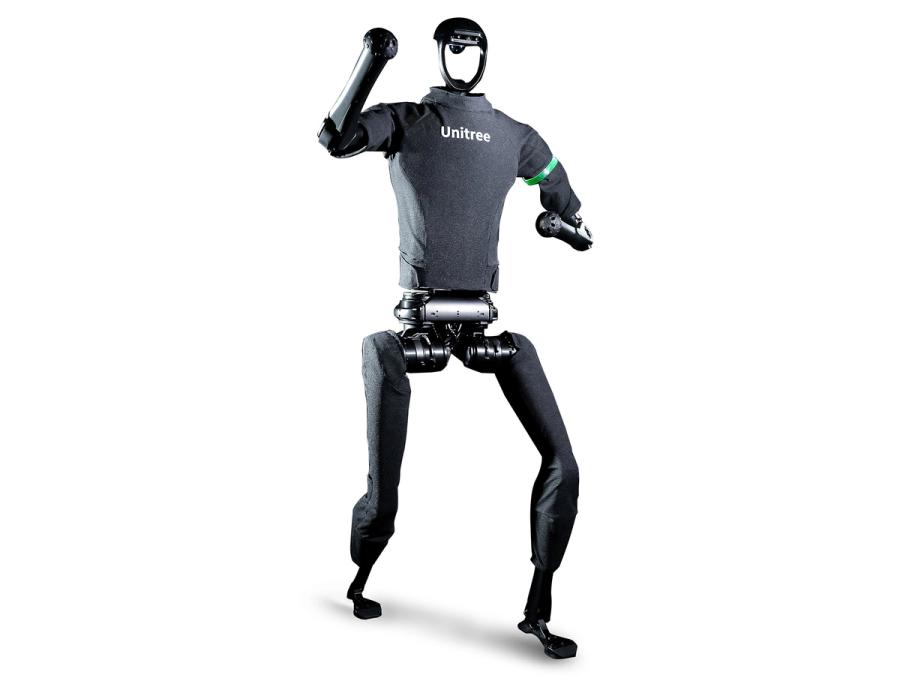
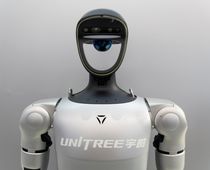
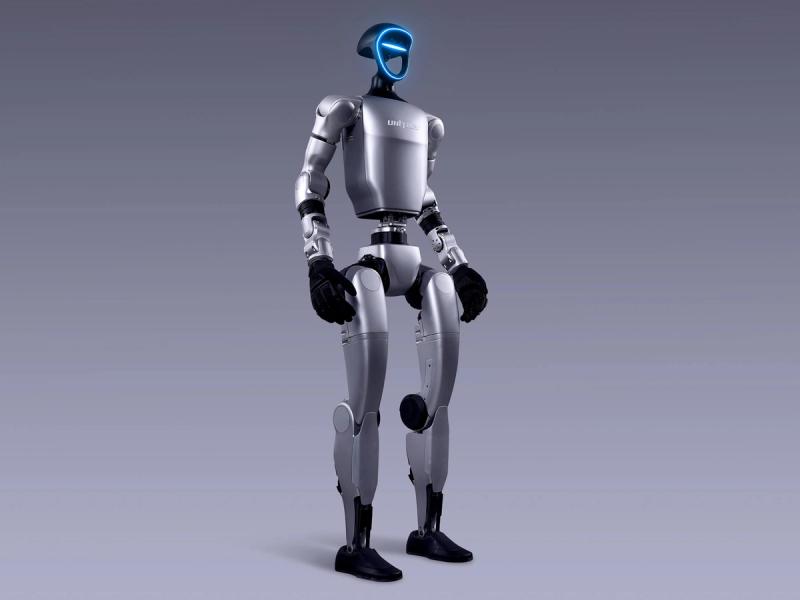
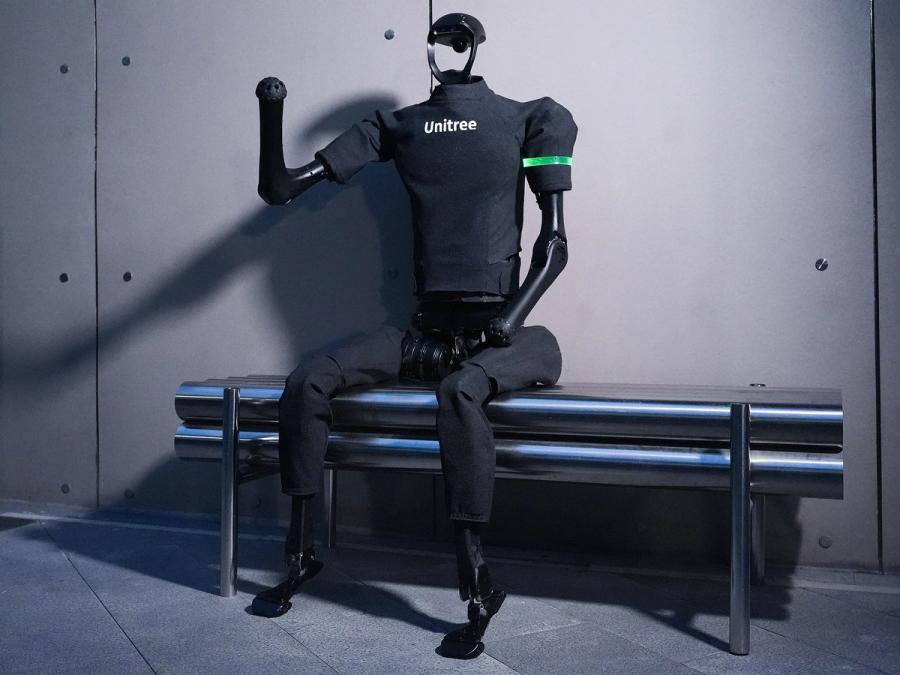
The Unitree H1 is a full-size, general-purpose humanoid robot that stands approximately 1.8 meters tall and is capable of dynamic bipedal locomotion, including running. It features high-torque joint actuators, real-time balance control, and a modular architecture designed for rapid development and deployment.
- Creator
- Year
- 2023
- Country
- China 🇨🇳
- Categories
- Features
Did you know?
H1 dominated the track events at China's inaugural World Humanoid Robot Games, earning gold medals in four high-speed disciplines.
History
Unitree Robotics was founded in 2016 by Xingxing Wang, whose early work on legged locomotion began during his graduate studies with the development of a low-cost quadruped robot called XDog. That prototype featured custom-designed actuators, brushless motors, and a control system architecture that emphasized affordability without sacrificing mobility. Building on that foundation, Unitree introduced commercial quadruped robots like Laikago and later the Go1, gaining attention for offering dynamic, research-grade robots at a fraction of the cost of competitors. The company positioned itself at the forefront of affordable robots, serving both academic labs and robotics enthusiasts.
In 2023, Unitree made its first entry into humanoid robotics with the release of the H1—a full-size, general-purpose bipedal robot. Standing approximately 1.8 meters tall and weighing around 47 kilograms, the H1 is equipped with high-torque actuators capable of delivering joint torques up to 360 Nm. Its mechanical design prioritizes both strength and lightweight performance, enabling rapid, stable movement on two legs. The H1 integrates a modular actuator system, onboard perception through depth cameras and lidar, and an AI-powered control stack designed for balance, gait generation, and locomotion in both indoor and outdoor environments.
The H1 was publicly demonstrated performing dynamic tasks such as walking, running, and adapting to terrain in real time. Videos released by the company show the robot achieving high-speed bipedal movement and stable gait control, enabled by real-time sensor fusion and machine learning algorithms. With support for ROS (Robot Operating System), over-the-air (OTA) software updates, and open interfaces for development, the H1 offers developers a scalable research testbed for AI embodiment and general-purpose robotics. Its release marked a significant step in Unitree's transition from quadrupeds to more complex humanoid systems, expanding the company's footprint in the evolving field of legged robotics in real-world settings.
Previous Versions
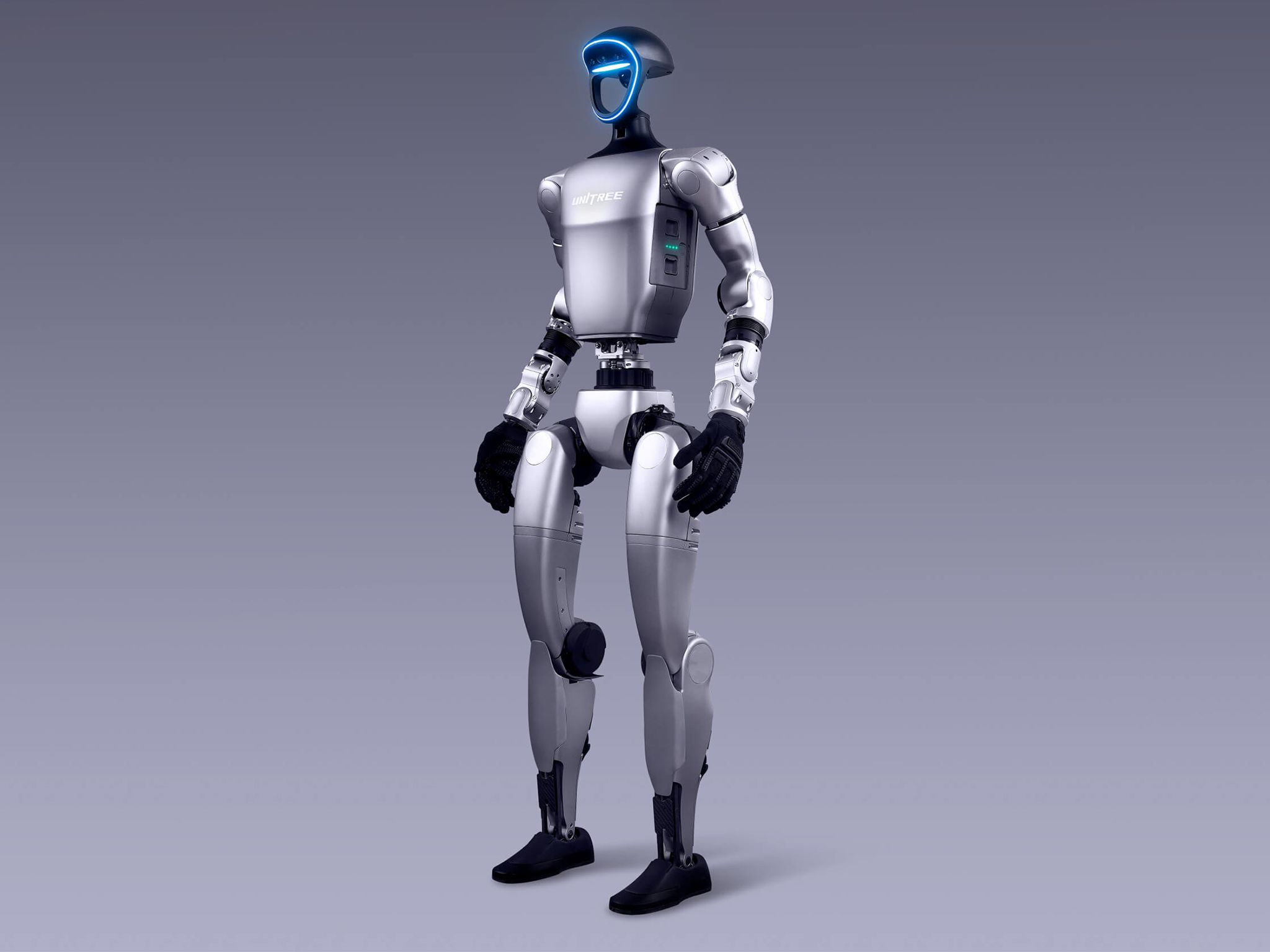
Unitree G1
A compact humanoid robot designed for AI-powered mobility and manipulation.
 Unitree G1→
Specs
- Overview
Ultra-lightweight design. Maximum joint torque of 360 Nm. 360° panoramic depth perception. Can be combined with large language models (LLMs) for general applications in industry, service, and offices.
- Status
Ongoing
- Year
2023
- Website
- Width
- 22 cm
- Height
- 180 cm
- Length
- 57 cm
- Weight
- 47 kg
- Speed
- 6 km/h (standard speed)
- Sensors
Intel RealSense D435 depth camera. Livox Mid-360 3D lidar.
- Actuators
19 brushless dc motors
- Degrees of Freedom (DoF)
- 19 DoF
- Materials
Carbon fiber, aluminum
- Compute
Main computer with Intel i7 processors; custom ARM-based controller on each joint.
- Software
Ubuntu Linux OS
- Power
864 Wh lithium-ion battery pack, 1 hour of operation
- Cost
- US $90,000 – 110,000